
Why Leaving Impacted Wisdom Teeth Untreated Risks Silent Jaw Damage
Ignoring impacted wisdom teeth frequently leads to unseen jawbone erosion, root damage on adjacent teeth, and painful bacterial infections. Early evaluation by a board-certified oral surgeon prevents structural damage, reduces surgical complexity, and ensures a predictable, comfortable recovery for patients of all ages.
Many patients visiting Attia Oral, Facial & Implant Surgery in Roswell near Historic Roswell Square hesitate about wisdom tooth removal when no immediate pain exists. However, impacted third molars, which are wisdom teeth trapped beneath the gum line or bone tissue, often cause damage quietly without early warning signs. As these teeth attempt to erupt, follicular sacs, which are fluid-filled membranes surrounding developing teeth, can expand and form destructive jaw cysts. Residents driving down Grimes Bridge Rd or commuting along GA-400 often discover these issues during routine digital imaging. Addressing these structural concerns proactively safeguards adjacent second molars and preserves healthy jaw structure.
Understanding the Hidden Mechanics of Wisdom Tooth Complications
When an adult jaw lacks adequate space, an emerging molar remains trapped under dense bone tissue. This condition is known as impaction, meaning the tooth cannot push into its proper position. Food particles and oral bacteria easily settle under the flap of tissue overlying a partially erupted tooth, causing pericoronitis, an infection marked by painful inflammation and swelling. Over time, chronic pressure from the hidden tooth pushes against the roots of neighboring molars. This constant force triggers root resorption, a process in which the body breaks down the protective root structure of healthy adjacent teeth. Removing troublesome teeth early stops this destruction and protects the jawbone from permanent damage.
Comparing Early Wisdom Tooth Extraction with Delayed Treatment
| Clinical Factor | Early Intervention (Ages 15-22) | Delayed Treatment (Adulthood) |
| Root Formation | Partially developed roots simplify removal | Fully formed, curved roots near facial nerves |
| Jawbone Density | Soft, pliable bone tissue aids healing | Dense, rigid bone increases extraction time |
| Surgical Recovery | Rapid recovery within three to five days | Extended healing period with increased swelling |
| Risk of Complications | Minimal risk of nerve irritation or cysts | Higher incidence of pericoronitis and root damage |
Essential Health Benefits of Early Wisdom Tooth Evaluation
- Preservation of Neighboring Teeth: Early removal prevents pressure against second molars, avoiding structural erosion and decay.
- Prevention of Bone Cysts: Removing trapped teeth reduces the risk of dentigerous cysts, fluid sacs that destroy jawbone mass.
- Reduced Bacterial Infection: Treating partial impactions eliminates pockets where bacteria accumulate and cause painful gum inflammation.
- Smoother Surgical Recovery: Younger patients experience faster tissue regeneration and significantly reduced post-operative discomfort.
Common Questions About Impacted Wisdom Teeth
Navigating decisions about oral surgery often brings up understandable concerns regarding timing, discomfort, and recovery. Patients visiting our practice near Roswell Area Park frequently ask how to identify problem teeth before symptoms become severe. The following questions address common clinical scenarios to help you make informed choices about your oral health.
At What Age Should Wisdom Teeth Be Evaluated?
Clinical guidelines recommend evaluating third molars between ages fourteen and seventeen when root structures are still forming. Our team provides gentle digital imaging near Historic Roswell Square to evaluate your jaw development without stress. Identifying potential overcrowding during the teenage years can lead to simpler procedures and faster healing.
Can Impacted Wisdom Teeth Cause Damage Without Causing Pain?
Impacted teeth frequently damage neighboring tooth roots and jawbone structure completely beneath the surface without triggering early pain. Patients often feel entirely comfortable even while silent cysts or deep decay develop in adjacent molars. Routine 3D imaging reveals hidden issues early so treatment can occur before irreversible structural damage takes place.
What Is the Recovery Time After Wisdom Teeth Extraction?
Most patients return to school or normal daily activities within three to four days following their procedure. Dr. Robert Attia uses advanced surgical techniques and personalized recovery plans to minimize post-operative swelling. Following post-care instructions ensures predictable tissue healing and protects your surgical site.
Schedule Your Wisdom Teeth Consultation in Roswell
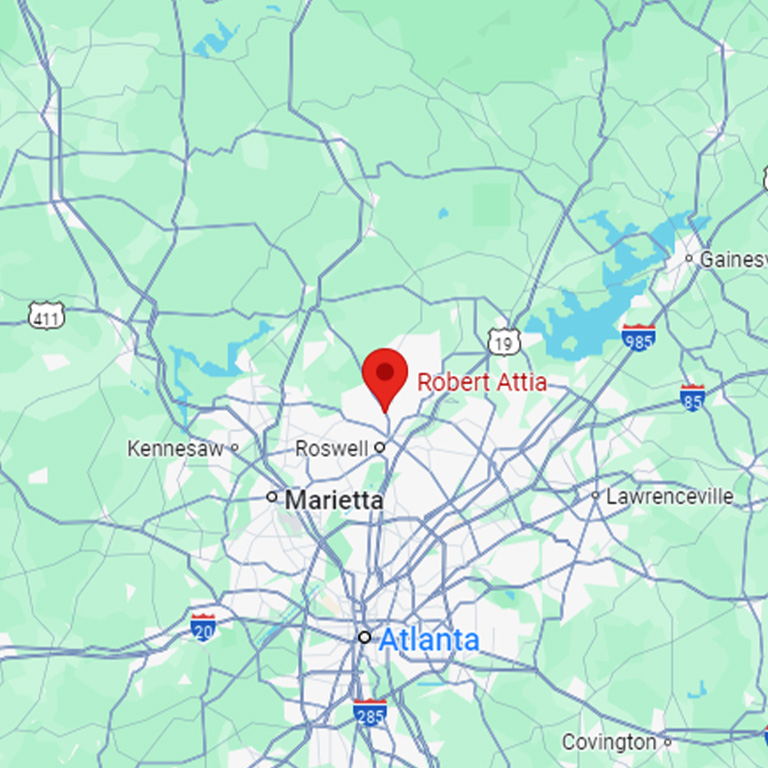
Protecting your jawbone health and preserving your natural teeth starts with a comprehensive evaluation. Dr. Robert Attia provides expert surgical care using 3D digital imaging to plan precise, comfortable treatments. Located conveniently off GA-400 near Mansell Rd, Attia Oral, Facial & Implant Surgery welcomes families from across North Fulton County. Contact our surgical team today to schedule your consultation and safeguard your long-term smile.



Leave a Reply
Want to join the discussion?Feel free to contribute!