
What Steps Help Prevent Bone Loss Immediately Following Tooth Extraction?
Preventing jawbone loss after tooth extraction requires immediate socket preservation bone grafting at the time of removal. Placing biocompatible graft materials inside the empty socket maintains natural ridge height, protects surrounding facial structure, and establishes a stable biological foundation for future dental implants.
Facing a dental extraction near Historic Roswell Square often brings worries about long-term changes to your smile. At Attia Oral, Facial & Implant Surgery, patients receive specialized clinical care designed to preserve natural bone volume from the moment a tooth is removed. Extracting a compromised tooth leaves behind an empty socket, triggering rapid bone resorption if left untreated. Performing socket preservation, a specialized bone grafting procedure completed immediately after extraction, prevents the surrounding jaw ridge from collapsing inward. Advanced evaluation using CBCT 3D digital imaging, a three-dimensional diagnostic scan that captures detailed jaw dimensions, allows Dr. Robert Attia to plan gentle extraction steps along Holcomb Bridge Rd. Protecting bone structure early helps keep future restoration options simple and predictable.
Biological Bone Healing and Ridge Preservation Mechanics
Removing a tooth root starves the surrounding jawbone of essential biological stimulation. Bone tissue quickly resorbs during the first few months after extraction without functional pressure. Placing a specialized bone matrix directly into the empty socket prevents this rapid collapse. Guided tissueregeneration uses protective barrier membranes to keep fast-growing gum tissue out of the healing site, allowing slow-growing bone cells to fill the void. Incorporating platelet-rich fibrin bone grafting, which uses concentrated growth factors from your own blood, speeds up natural tissue repair near Grimes Bridge Rd. Utilizing piezoelectric surgery, an advanced technology that uses gentle ultrasonic vibrations to loosen teeth without damaging soft gum tissue, minimizes surgical trauma.
In cases of prior tissue loss, applying an autogenous bone graft, which transfers living bone cells from another area of your mouth, helps rebuild substantial ridge volume. Maintaining a healthy ridge line ultimately prevents condylar resorption or irregular bite shifts, preserving a solid framework for future osseointegration when a permanent titanium post is placed.
Comparing Extraction Care: Socket Preservation vs. Unassisted Healing
| Healing Pathway | Immediate Socket Preservation | Unassisted Natural Healing |
| Jaw Ridge Retention | Preserves up to 90% of natural height and width | Loses up to 50% of bone width within six months |
| Future Implant Readiness | Creates an ideal foundation for immediate or future placement | Frequently requires extensive secondary ridge augmentation |
| Soft Tissue Stability | Maintains natural gum contours around neighboring teeth | Causes gum tissue collapse and unnatural contours |
| Long-Term Facial Profile | Prevents premature facial sagging and structural breakdown | Contributes to gradual facial collapse over time |
Key Clinical Benefits of Immediate Socket Preservation
- Immediate placement of bone graft material prevents the surrounding jaw ridge from shrinking after extraction.
- Protective barrier membranes used in guided tissue regeneration shield new bone growth from soft gum intrusion.
- Concentrated growth factors from platelet-rich fibrin bone grafting shorten overall post-operative healing timelines.
- Preserving natural bone width eliminates the need for complex reconstructive procedures like severe ridge augmentation later.
Common Questions About Preventing Bone Loss After Extraction
Deciding how to care for your jaw immediately following a tooth extraction can feel overwhelming when balancing recovery care with long-term smile planning. Many residents living near Roswell Area Park wonder whether bone grafting is truly necessary at the time of extraction or if it can be delayed. Understanding how socket preservation protects your facial structure helps you make informed choices about your surgical care. The following answered questions provide clear insights into healing timelines, procedure comfort, and long-term restorative benefits.
Why is socket preservation performed immediately after tooth removal?
Performing socket preservation immediately fills the empty tooth socket before the surrounding bone walls begin to collapse. Patients visiting our practice near Warsaw Rd benefit from completing bone grafting during the same visit as the extraction. Preserving natural bone dimensions right away creates a seamless pathway for future dental implant placement.
Is socket preservation bone grafting painful for patients?
Gentle local anesthesia and specialized sedation options ensure complete physical comfort throughout the extraction and grafting process. Our dedicated team near Mansell Rd prioritizes your peace of mind with gentle surgical techniques. Post-operative discomfort is typically minimal and easily managed with routine over-the-counter or prescribed medications.
How long must the socket graft heal before placing a dental implant?
Socket grafts generally require three to four months of healing to transform into strong natural bone matrix. Families traveling along GA-400 can comfortably resume routine daily activities while internal bone regeneration progresses smoothly. Digital imaging of the healed site confirms solid biological stability before we secure your permanent titanium restoration.
Schedule Your Tooth Extraction Consultation in Roswell, GA
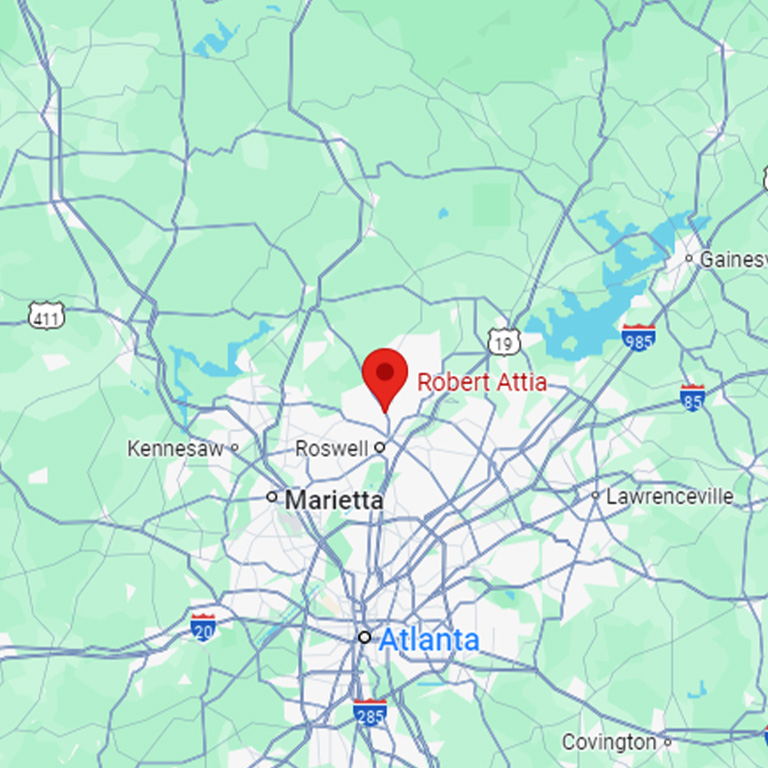
Protecting your jawbone health and preparing for a restored smile begins with a personalized surgical consultation. Located conveniently near Chattahoochee River National Recreation Area, our clinical team delivers specialized reconstructive care tailored to your specific anatomical needs. Contact Attia Oral, Facial & Implant Surgery today to schedule your consultation and preserve your long-term oral health.




Leave a Reply
Want to join the discussion?Feel free to contribute!