
How Sinus Augmentation Creates Space for Stable Upper Jaw Restorations
Maxillary sinus augmentation elevates the delicate sinus membrane to place bone grafting material in the upper jaw. This procedure restores essential bone height, creating a solid biological foundation for long-lasting dental implants when natural bone density has diminished.
When teeth in the upper back jaw are lost, the surrounding bone naturally shrinks over time. Patients visiting Attia Oral, Facial & Implant Surgery in Roswell near the Chattahoochee River National Recreation Area often discover that their upper jaw bone lacks sufficient height for permanent implants. This structural change occurs because the maxillary sinus, which is a hollow air cavity above the upper teeth, expands downward in a process called pneumatization, leaving behind thin bone tissue. Commuters traveling via Holcomb Bridge Rd or Mansell Rd can successfully rebuild this lost structure through specialized surgical care. Restoring lost bone mass creates a stable environment for new teeth while protecting delicate nasal cavities.
Structural Mechanics of Maxillary Sinus Elevation
Rebuilding the upper jaw demands precise surgical control to avoid disturbing sensitive sinus membranes. Dr. Robert Attia utilizes advanced digital scanning to measure exact bone thickness before initiating treatment. During a maxillary sinus augmentation, also known as a sinus lift, the clinician gently accesses the sinus wall to lift the thin internal lining known as the Schneiderian membrane. Placing high-grade bone graft material into this newly created space encourages your body to form dense living bone over several months. This biological transformation raises the floor of the sinus cavity and establishes adequate vertical depth for permanent dental implants. Utilizing gentle micro-instruments preserves soft tissue integrity and ensures predictable long-term stability.
Comparing Treatment Protocols for Upper Jaw Bone Loss
| Clinical Factor | Standard Implant Placement | Sinus Augmentation Grafting |
| Required Bone Height | Adequate vertical bone depth present | Deficient bone height under ten millimeters |
| Surgical Approach | Direct insertion into natural jawbone | Membrane elevation with grafted material insertion |
| Healing Timeline | Three to four months for integration | Six to nine months for new bone maturation |
| Anatomical Safety | Standard distance from sinus floor | Direct protection of the maxillary sinus cavity |
Key Benefits of Sinus Lift Procedures
- Restoration of Bone Density: Creates crucial vertical height in areas where natural jawbone has deteriorated over time.
- Protection of Sinus Cavities: Safely elevates internal membranes to prevent dental implants from penetrating sinus spaces.
- Long-Term Implant Success: Establishes a rigid structural foundation that allows full chewing power and stability.
- Minimally Invasive Techniques: Utilizes gentle instruments and 3D imaging to shorten patient recovery timelines.
Common Questions About Sinus Augmentation
Lacking sufficient upper jawbone for dental implants can sound intimidating, but modern surgical procedures make bone reconstruction remarkably smooth and predictable. Many patients visiting our practice near Historic Roswell Square wonder how the healing process feels and whether a sinus lift will alter their normal nasal function. Understanding the biological steps involved in bone grafting helps replace uncertainty with total confidence in your treatment plan. The following answers address core patient concerns regarding safety, comfort, and recovery expectations.
Is a Sinus Lift Procedure Painful?
Patients experience complete physical comfort during the procedure through local anesthesia and tailored conscious IV sedation. Our dedicated team near Roswell Area Park ensures you remain thoroughly relaxed and free from anxiety throughout your visit. Mild post-operative pressure subsides quickly using standard prescribed medications.
How Long Does It Take to Heal After Sinus Augmentation?
Initial gum tissue healing usually takes about one week following your procedure. Commuters driving along Grimes Bridge Rd can resume normal daily routines after just a few days of rest and care. The new bone material fully matures over six to nine months, creating a strong anchor for future dental implants.
Will a Sinus Lift Affect My Breathing or Sinuses?
A sinus lift only elevates the lower membrane floor without altering your breathing pathways or overall nasal airflow. Visiting our office off Warsaw Rd allows Dr. Robert Attia to evaluate your sinus anatomy using high-resolution 3D digital imaging. Preserving natural sinus drainage helps keep your respiratory system healthy and fully functional.
Schedule Your Sinus Lift Consultation in Roswell
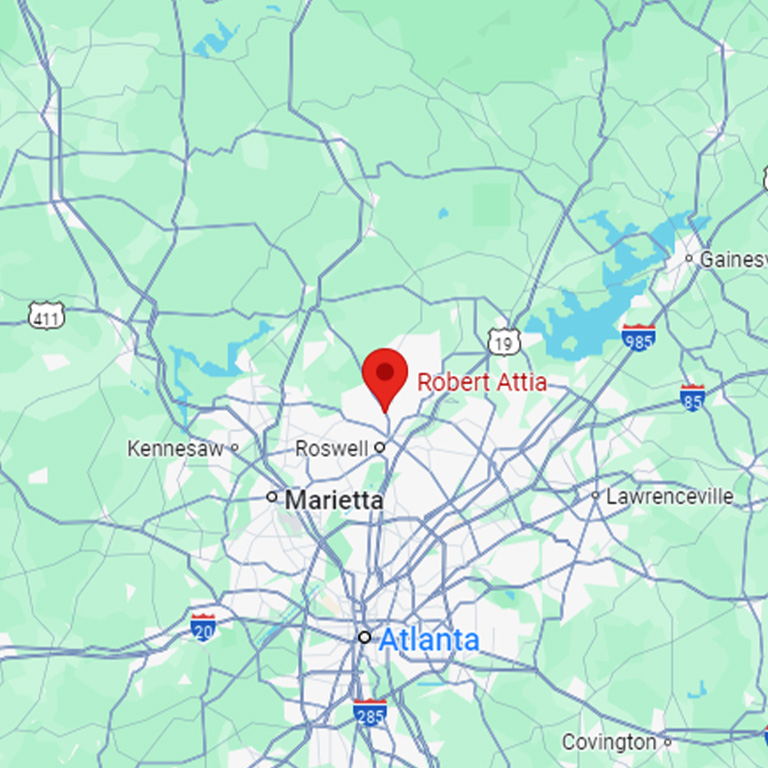
Rebuilding your smile with dental implants is possible even when natural jawbone height is limited. Dr. Robert Attia offers specialized sinus augmentation treatments backed by 3D digital imaging to deliver predictable, lasting outcomes. Located near Exit 7 off GA-400 on Holcomb Bridge Rd, Attia Oral, Facial & Implant Surgery welcomes patients from across North Fulton County. Contact our office today to arrange your consultation and take the next step toward a restored smile.



Leave a Reply
Want to join the discussion?Feel free to contribute!