
How 3D CBCT Guided Imaging Eliminates Implantation Surprises
Advanced three-dimensional CBCT imaging eliminates surgical surprises by mapping sub-millimeter jaw anatomy prior to dental implant placement. Board-certified oral surgeons utilize digital computer guides to avoid critical nerves, assess exact bone density, and position implants for maximum stability and predictable aesthetic restoration.
Can modern technology make complex dental implant procedures completely predictable? At Attia Oral, Facial & Implant Surgery, patients traveling from GA-400 receive highly precise reconstructive care backed by state-of-the-art diagnostic tools. Traditional dental planning relied on flat two-dimensional scans that obscured hidden tissue depths around Holcomb Bridge Rd. Utilizing CBCT 3D digital imaging, an advanced diagnostic scan that creates three-dimensional volumetric views of facial bones and nerves, reveals every anatomical contour before treatment begins. Dr. Robert Attia translates these precise digital models into custom surgical guides that direct titanium post placement down to the millimeter. Optimal alignment protects surrounding root systems and supports long-term osseointegration, the biological fusing of jawbone directly to titanium implant surfaces.
Digital Precision and Surgical Safety in Implant Planning
Digital surgical execution removes guesswork from restorative care by virtually previewing the complete procedure. High-resolution volumetric views allow board-certified surgeons to inspect jaw depth, bone density, and underlying sinus cavities with total clarity near Grimes Bridge Rd. Creating a computer-generated template ensures every implant enters the bone at the exact pre-planned angle. Combining digital planning with piezoelectric surgery, a technology that uses ultrasonic waves to shape bone without harming soft tissues, keeps procedures gentle. Furthermore, evaluating existing ridge width helps determine whether supplementary guided tissue regeneration, a technique using barrier membranes to promote new bone growth, is necessary before insertion.
Comparative Matrix: 3D CBCT Guided Surgery vs. Traditional 2D Planning
| Diagnostic Feature | 3D CBCT Guided Surgery | Traditional 2D X-Ray Imaging |
| Anatomical Visualization | Complete three-dimensional volumetric perspective | Flat two-dimensional image with structural overlap |
| Precision and Accuracy | Sub-millimeter surgical guide placement | Manual positioning based on visual estimates |
| Nerve and Sinus Protection | Exact digital mapping avoids sensitive nerve paths | Increased risk of unexpected anatomical variations |
| Treatment Predictability | Virtual surgery completed prior to actual procedure | Real-time decisions made during open surgery |
Key Clinical Benefits of 3D Guided Implant Placement
- Advanced mapping through CBCT 3D digital imaging pinpoints ideal bone density zones near Warsaw Rd.
- Custom computer-milled surgical guides prevent unexpected shifts during titanium post placement.
- Minimally invasive flap designs reduce post-operative swelling and preserve sensitive soft tissue.
- Strategic positioning guarantees that final prosthetic crowns fit naturally against neighboring teeth.
Common Questions About 3D Guided Implant Surgery
Wondering how digital technology changes your actual experience in the surgical chair is a natural part of planning treatment. Many individuals residing near Historic Roswell Square want reassurance that modern diagnostic scans truly make care safer and more efficient. Exploring how virtual planning simplifies surgery helps relieve anxiety while highlighting the clear benefits of expert oral healthcare.
How does 3D CBCT imaging make dental implant placement safer?
High-resolution scans display detailed three-dimensional views of critical jaw nerves and blood vessels before any incision is made. Local families near Mansell Rd can feel confident knowing their surgical path is mapped with precise detail. Pre-planning placement digitally eliminates surgical surprises and drastically lowers the risk of anatomical complications.
Does 3D guided implant surgery reduce patient recovery time?
Targeted placement allows surgeons to create smaller surgical access points without unnecessary tissue disruption. Patients living near Roswell Area Park experience significantly less post-operative swelling and discomfort during early healing. Faster recovery allows you to resume daily activities and return to work without prolonged downtime.
Is a 3D CBCT scan safe regarding radiation exposure?
Modern volumetric CBCT scanners emit significantly less radiation than conventional medical CT machines while capturing clearer images. Visiting our practice near Chattahoochee River National Recreation Area ensures you receive advanced care that prioritizes your overall well-being. Focusing digital energy solely on facial structures delivers maximum diagnostic value with minimal radiation exposure.
Schedule Your 3D Guided Implant Consultation in Roswell, GA
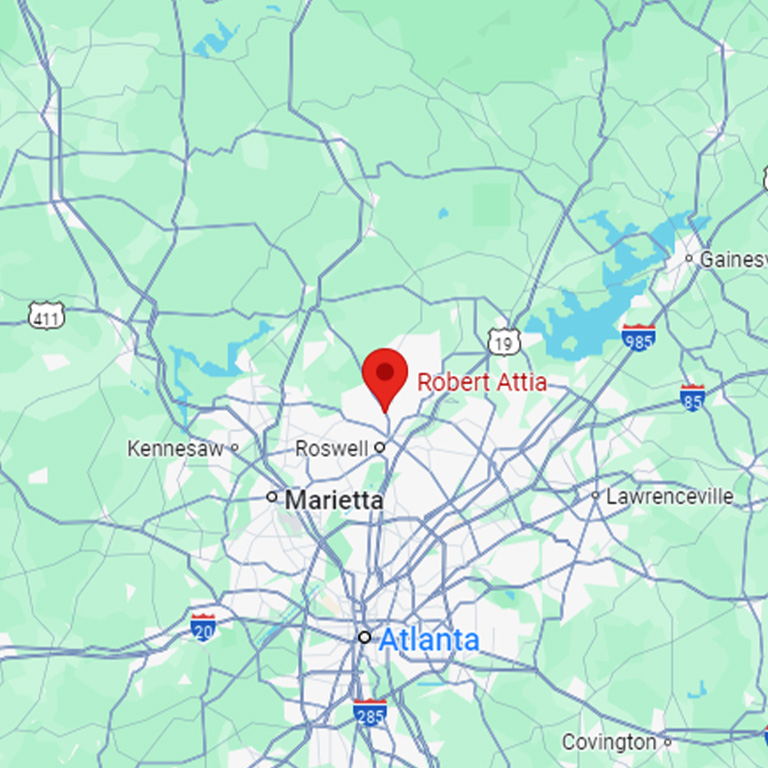
Taking the first step toward permanent smile restoration starts with a personalized digital evaluation. Conveniently located off GA-400 near Mansell Rd and Grimes Bridge Rd, our specialized surgical facility offers cutting-edge diagnostic technology. Contact Attia Oral, Facial & Implant Surgery today to schedule your consultation and experience the precision of 3D guided care.




Leave a Reply
Want to join the discussion?Feel free to contribute!